Mastering Cost Control in the Hospitality Industry: Strategies, Benefits, and Key Action Points.
Operating a hotel, resort, or homestay requires navigating thin profit margins, fluctuating seasonal demands, and rising operating expenses. Effective cost control in the hospitality industry is not about cutting corners or degrading guest experiences; rather, it is about eliminating waste, streamlining operational workflows, and optimizing resource allocation.
Request To ChatStrategies, Benefits, and Key Action Points
Cost control in the hospitality industry is a continuous discipline rather than a one-time fix. By shifting from reactive spending to proactive management—leveraging automation, optimizing labor, curbing supply waste, and driving direct bookings—hoteliers can protect their bottom lines. Ultimately, balanced cost control safeguards financial health while empowering properties to deliver exceptional, memorable experiences to their guests.
1
Optimize Labor Scheduling and Staffing Models
Utilize dynamic staffing models driven by real-time occupancy forecasts. Cross-train front-desk, housekeeping, and F&B staff so employees can pivot seamlessly to high-demand areas.
2
Streamline Food & Beverage (F&B) Operations
Conduct daily inventory cycle counts instead of monthly audits. Strictly enforce standardized recipes, monitor plate waste closely, and adjust purchasing quantities based on historical dining trends.
3
Implement Proactive Energy and Utility Management
Install occupancy sensors, smart thermostats, and LED lighting fixtures. Schedule regular preventive maintenance for HVAC filters and coils to maintain peak operational efficiency.
4
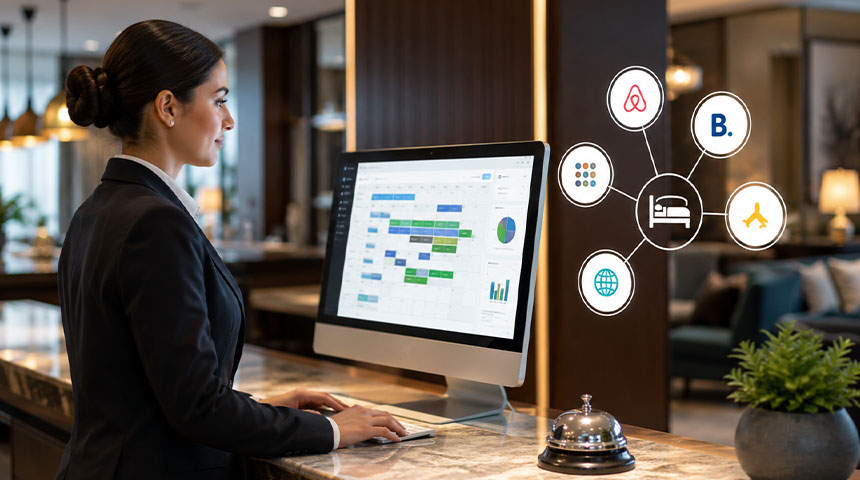
Upgrade to Centralized Cloud-Based Property Management Systems
Centralize front-office operations using an integrated Property Management System (PMS) that automates check-ins, housekeeping logs, and billing workflows.
5
Consolidate Procurement and Supplier Contracts
Audit purchasing history to eliminate redundant suppliers. Negotiate volume discounts, bulk-rate agreements, and favorable payment terms with primary vendors.
6
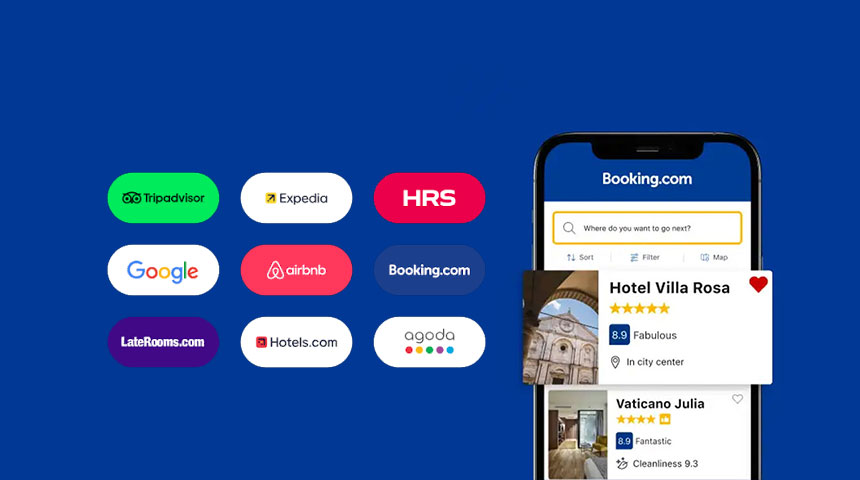
Drive Direct Bookings to Minimize OTA Commissions
Optimize your property's direct booking engine, build engaging loyalty perks, and run targeted digital marketing campaigns to capture direct reservations.
7
Prioritize Preventive Maintenance Over Emergency Repairs
Establish a strict recurring checklist for inspecting plumbing, electrical grids, and appliances to extend asset lifecycles and avoid costly emergency call-outs.
8
Manage Linen and Laundry Logistics Efficiently
Track linen turnover rates closely. Implement a subtle guest linen-reuse program in rooms to significantly cut down water, detergent, and energy consumption.