Stop Leaving Money on the Table: Fix These Hotel Revenue Mistakes. Are outdated pricing models and disconnected systems holding your property back?
Many independent hotels and resorts struggle with seasonal swings and missed revenue simply because their strategies are reactive rather than data-driven. From relying on static rates and destructive deep-discounting to paying heavy OTA commissions and operating in siloed systems, these missteps quietly drain your bottom line.
Request To ChatCommon Mistakes & Professional Fixes

In the hospitality sector, leaving revenue on the table typically stems from recurring pricing and operational missteps. Below are the most critical revenue management mistakes independent hotels, resorts, and homestays make, paired with their professional solutions, followed by the measurable facts and core benefits of correcting them.
1
Relying Solely on Static, Fixed Pricing Models
Transition to real-time dynamic pricing. Dynamically calibrate room rates based on live booking velocity, market compression, and seasonal forecasting to capture maximum yield precisely when demand peaks.
2
Resorting to Destructive Deep-Discounting
Protect baseline rates by introducing experiential value-added packages. Instead of cutting prices, bundle accommodations with exclusive offerings—such as guided heritage tours, wellness sessions, or regional culinary experiences—to stimulate off-peak demand while preserving brand integrity.
3
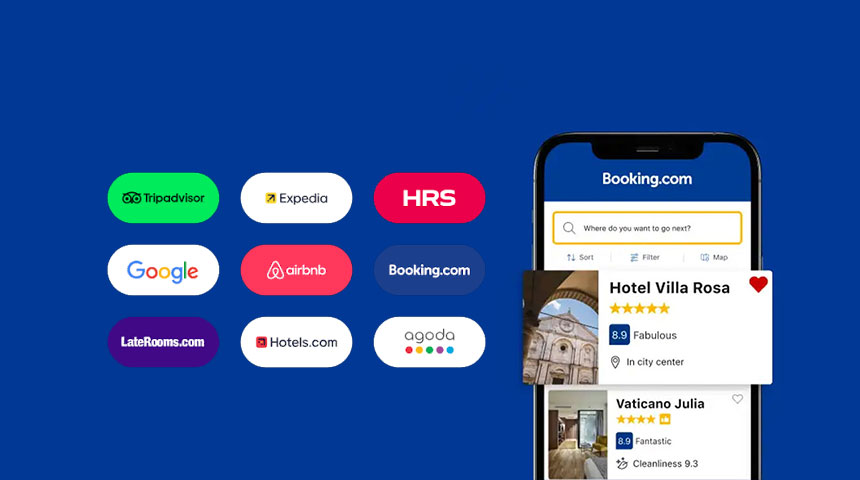
Excessive Dependence on Third-Party Channels
Strengthen direct-booking infrastructure. Develop a frictionless, mobile-optimized e-commerce booking engine backed by targeted digital marketing campaigns and exclusive direct-booking incentives that convert casual browsers into loyal direct guests.
4
Operating Within Fragmented, Siloed Systems
Unify core operations within an end-to-end digital ecosystem. Partnering with Dobhal Services seamlessly integrates your PMS, e-commerce framework, and revenue optimization tools into a single, cohesive engine that eliminates administrative silos.
5
Reactive and Blind Competitor Mimicry
Ground pricing strategies in comprehensive historical analytics, precise guest segmentation, and real-time market pacing data rather than emotional reactions to immediate local competition.
6
The RevPAR Impact
Implementing a data-driven Revenue Management System (RMS) and dynamic pricing model typically increases a hotel’s RevPAR (Revenue Per Available Room) by 5% to 20%.
7
The Cost of Operational Fragmentation
Properties relying on disconnected, siloed software tools experience up to 30% more administrative friction, resulting in redundant data entry, delayed guest communications, and heightened overbooking risks.
8
The Volatility of Seasonal Swings
Independent heritage hotels, resorts, and homestays operating without predictive forecasting experience occupancy fluctuations of 40% to 60% between peak tourist months and off-peak lulls.